What Does Key2Key Teach Auto Repair Shop Owners?
A plain-English look at what Key2Key Weekend teaches auto repair shop owners: front-of-house trust, inspection sequencing, recruiting cadence, financial discipline, and the first 30 days after class.
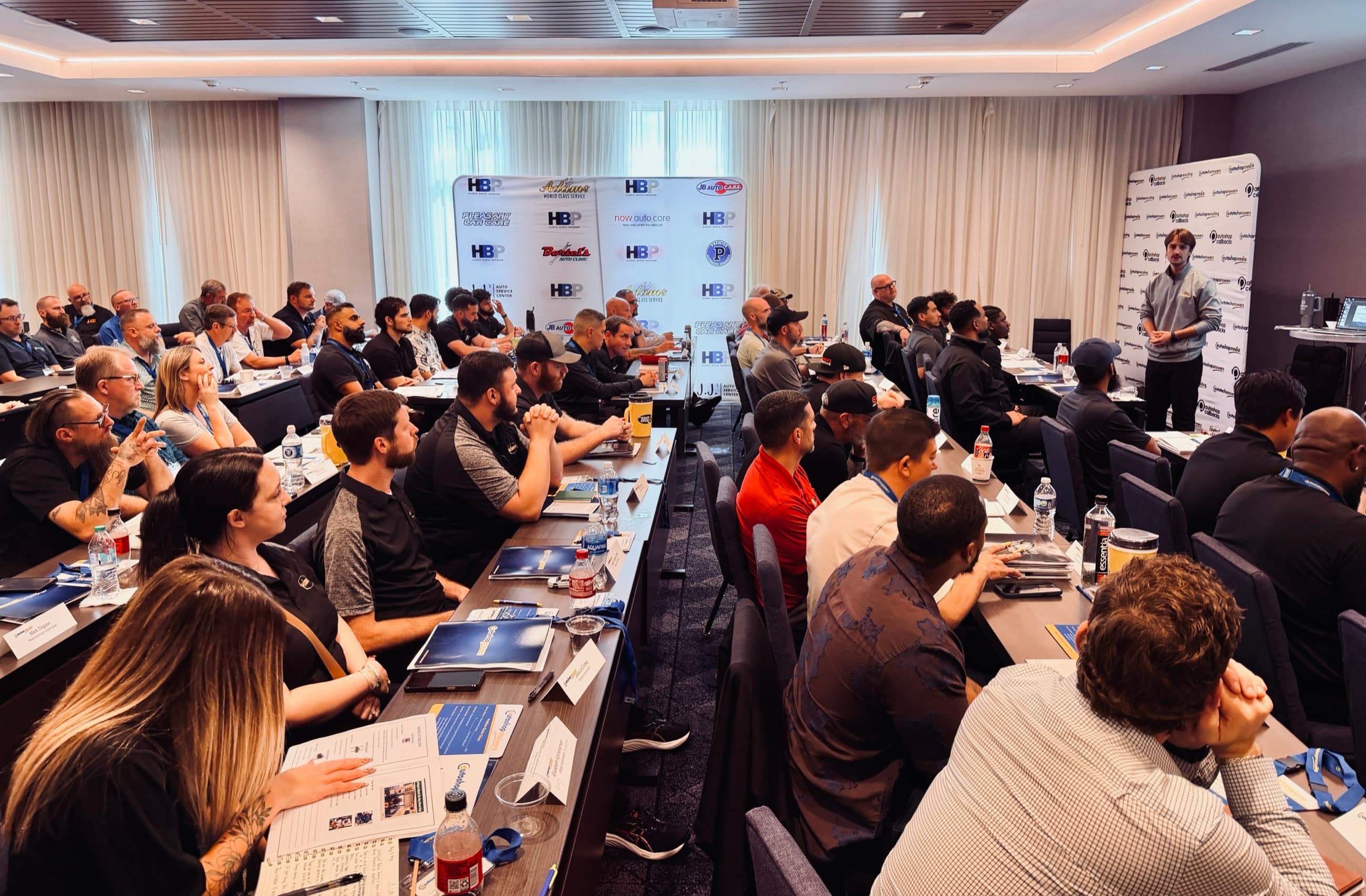
Key2Key teaches auto repair shop owners the operating model AutoShop Answers uses to frame front-of-house trust, inspection sequencing, recruiting cadence, financial discipline, and the first 30 days of implementation. It is easiest to misunderstand if you file it under "coaching." The room is more specific than that.
The work starts at the front counter because that is where trust, ticket quality, and schedule quality begin. The class does not treat the phone as a small detail. It treats the first conversation as the first operating decision.
Why owners searching for auto shop training end up here
Most auto shop training explains a script, a scorecard, or a management habit in isolation. Key2Key is meant to be the next layer above that. AutoShop Answers uses it to teach one operating model that connects front of house, back of house, advisor trust, inspection sequencing, recruiting cadence, and financial discipline instead of treating them like separate fixes.
What Key2Key teaches
- Front-of-house trust: how the first conversation frames the repair relationship.
- Inspection sequencing: how advisors explain what the car needs without overwhelming the customer.
- Back-of-house flow: bay turns, parts movement, and the shop-floor habits that protect capacity.
- Recruiting cadence: the practical system behind "always be recruiting."
- Financial discipline: gross profit, net operating income, and the numbers a buyer will eventually ask about.
That mix is intentional. Many shops try to fix sales, technician hiring, gross margin, or customer communication as separate problems. Key2Key puts them back into one operating model, because the customer experience and the financial model are not separate in a real shop.
What makes it different from a seminar
The useful test is what an owner can do on Monday morning. The class is built around language, scorecards, and operating choices an owner can take back to the counter, the bays, and the manager meeting.
Leave with a clearer operating vocabulary: what the front counter should say, what the inspection should prove, what the shop should measure, and what the owner should change first.
Who should read this as a fit signal
If your shop is still looking for basic accountability, Key2Key may be early. If you already have volume, people, and some management discipline, but the business still depends too heavily on you, the class is closer to the problem you are trying to solve.
That is the reason the first article in this learning section starts here. Before publishing a stack of advice, the site needs to explain the actual room, the vocabulary it teaches, and the conversion path for owners who want to see the model live.
Related reading
The next step is not more abstract advice. It is watching the operating vocabulary get used in a real workshop with owners who are working on the same problems.